Inclusive Leadership: Transforming Workplaces Quietly
Leadership, Inclusive Leadership, Workplace Belonging
Inclusive Leadership: Quiet Practices That Change Workplaces
Inclusive Leadership is not loud. It is a steady, intentional way of leading that helps people feel seen, safe, and able to contribute fully. At Simply Good Form Inc, we see it as the everyday practice of turning values into simple, repeatable actions that build real Workplace Belonging.
What Inclusive Leadership Looks Like Day to Day
At its core, Inclusive Leadership is about who gets to participate, who feels safe to speak, and whose experiences shape decisions. It moves beyond “fitting in” and toward creating space where people can show up as themselves, including transgender and beyond-binary colleagues, caregivers, and those whose identities are often overlooked at work.
Minimalism in leadership means stripping away performative gestures and focusing on a few consistent behaviours: ask, listen, learn, and adjust. These behaviours are simple, but when practiced with intention, they shift culture and signal that everyone’s dignity matters.
Curiosity in Leadership: Asking Before Assuming
Curiosity in Leadership is a quiet power. Instead of assuming what people need, curious leaders ask open, respectful questions. They invite stories, not just status updates. They ask, “How does this land for you?” or “What might we be missing here?” and then make room for honest answers, even when those answers are uncomfortable.
Curiosity also means being willing to be corrected. When someone shares that language, policies, or habits are excluding them, inclusive leaders treat that feedback as a gift. At Simply Good Form Inc, we coach leaders to see curiosity not as a weakness, but as a disciplined practice that keeps learning alive and prevents harm from being repeated.
Listening Skills That Build Workplace Belonging
Listening Skills are often praised, but rarely practiced with care. Inclusive leaders listen for what is said and what is left unsaid. They notice who speaks easily in meetings and who hesitates. They slow down, leave pauses, and resist the urge to fill silence with their own voice. This kind of listening is how Trust in Teams begins to form.
Simple listening habits make a difference: reflecting back what you heard, checking for understanding, and following up with concrete actions. When someone shares a concern about inclusion, and you respond with change rather than defensiveness, you send a clear message: “You matter here.” Over time, that message becomes a foundation for Workplace Belonging.

Consistent, quiet listening often does more for belonging than any single big initiative.
Cultural Competence as an Ongoing Practice
Cultural Competence is not a one-time training. It is the steady work of understanding how identity, power, and history shape people’s experiences at work. Inclusive leaders learn about pronouns, gender diversity, racial equity, disability, and more. They also learn how their own identities and privileges influence the room, and they adjust their approach accordingly.
At Simply Good Form Inc, we keep Cultural Competence grounded and practical. We focus on inclusive language, everyday decisions, and how to respond when harm happens. The goal is not perfection. The goal is to reduce harm, repair quickly when it occurs, and create patterns that make it easier for people to stay, grow, and lead.
Trust in Teams: Built Through Small, Reliable Actions
Trust in Teams does not arrive with a new policy or a single workshop. It is built through small, reliable actions that repeat over time. Leaders who follow through on commitments, admit when they do not know, and share decision-making power create the conditions for trust. When trust is present, people take risks, share ideas, and raise concerns earlier, before they become crises.
Inclusive Leadership strengthens this trust by aligning words with behaviours. If you say you value equity, you review how work is assigned and who gets visibility. If you say you support trans and beyond-binary colleagues, you ensure systems, benefits, and everyday language reflect that commitment. Trust grows when people can see the link between what you say and what you do.
Bringing It All Together With Support
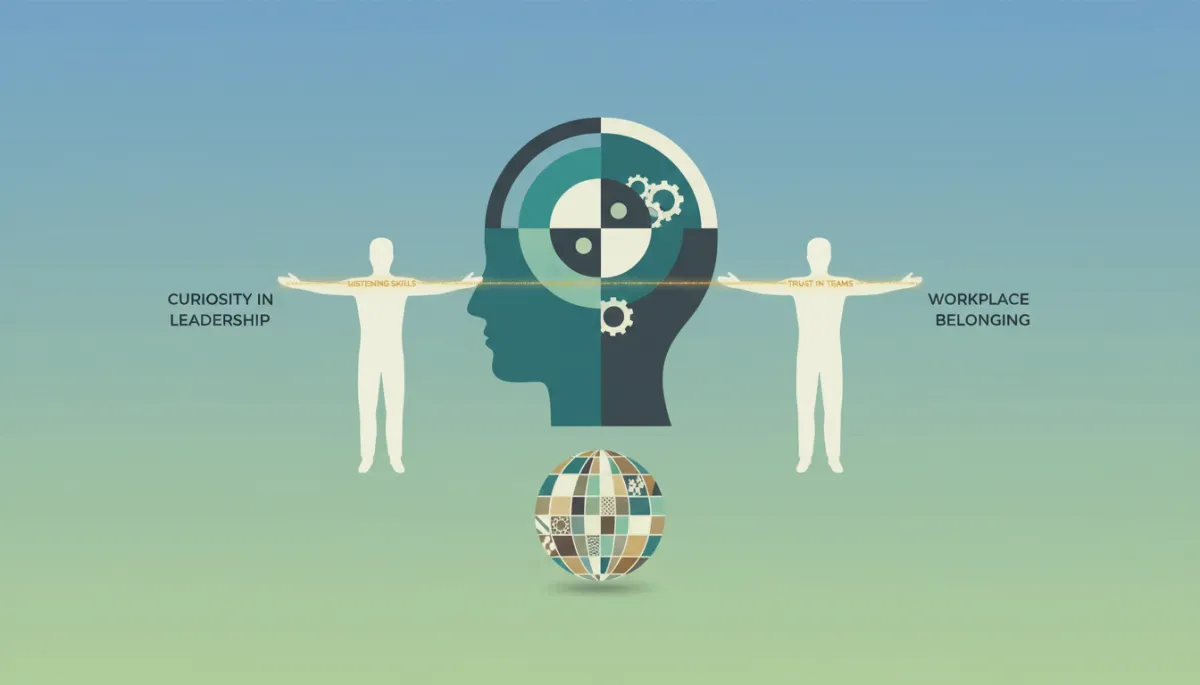
Inclusive Leadership, Curiosity in Leadership, strong Listening Skills, Cultural Competence, and deep Trust in Teams are not abstract ideals. They are learnable, repeatable practices. They show up in how you run meetings, how you give feedback, how you respond to harm, and how you design policies. Minimalist leadership means focusing on these essentials and doing them well, consistently.
Simply Good Form Inc partners with leaders, HR teams, educators, and employee resource groups to embed these practices through coaching, workshops, mentorship, and consultation. If you are ready to build a culture where people feel they belong and want to stay, we invite you to explore our services and book coaching or workshops to build a workplace people want to stay in.